
.png)
Once again, thousands of people used some quiet time over the festive period to file their self-assessment tax returns, with 4,606 people even submitting theirs on Christmas Day.
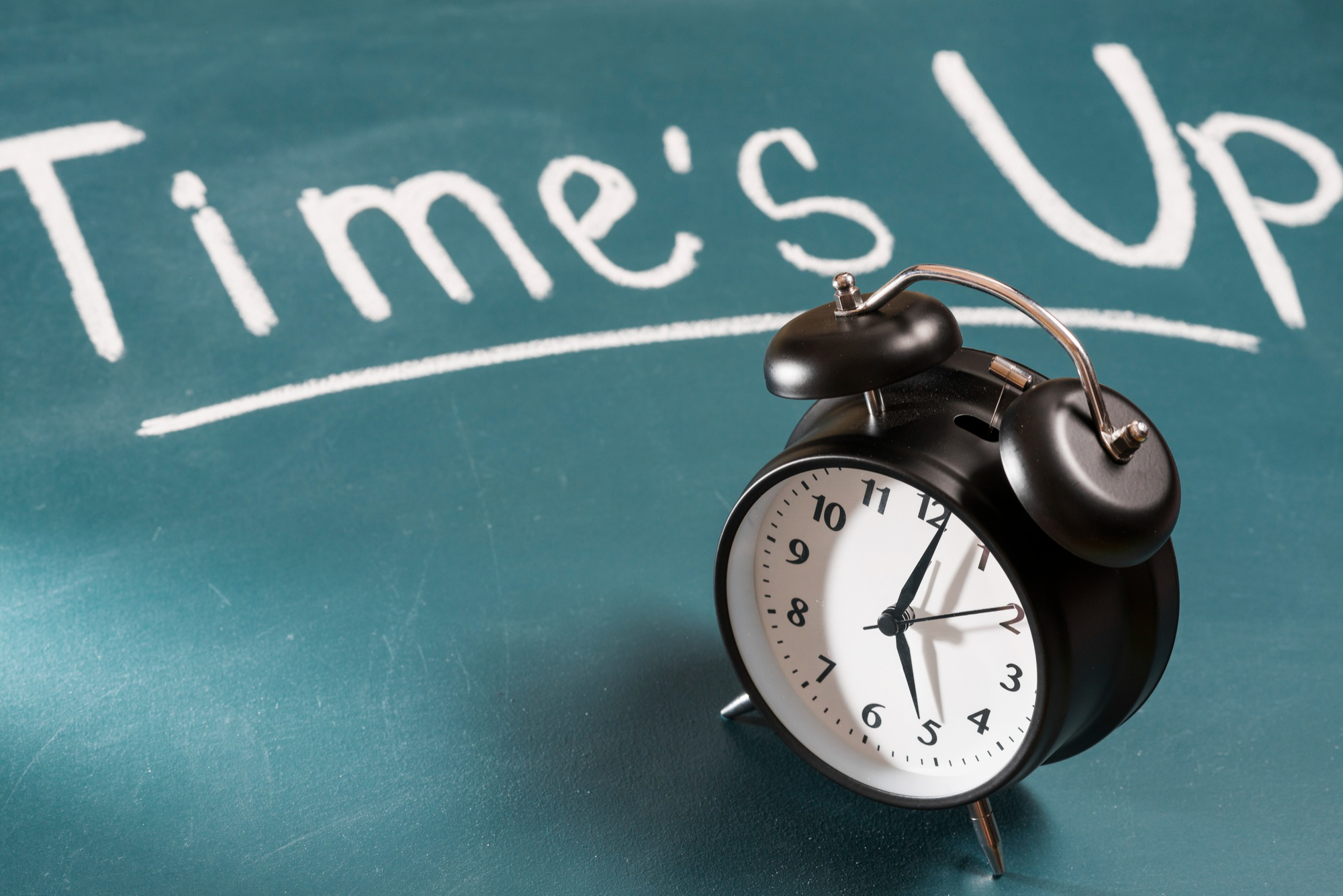
In total, 37,435 people completed their return over the three days of Christmas Eve, Christmas Day and Boxing Day. However, the January 31 deadline has now passed and many taxpayers still haven’t filed. That means penalties may already be applying for late filing.
Penalties apply as soon as the deadline is missed, whether or not there was any tax to pay to HMRC. If you were only required to file a self-assessment return to deal with the High Income Child Benefit Charge, HMRC has introduced a new PAYE digital service. If you had signed up to this service before January 31, you could opt out of filing a self-assessment and instead repay any amount owed through your tax code. As the deadline has now passed, you will generally still need to file a self-assessment for this tax year.
How do the penalties work?
If you were required to file a self-assessment tax return by January 31, 2026 and you missed this deadline, or failed to pay your tax bill on time, penalties will now apply.
You will immediately face a £100 penalty for filing late. If your return remains outstanding three months after the deadline, additional daily penalties of £10 per day apply, up to a maximum of £900. If the return is still not filed after six months, a further penalty of 5% of the tax due, or £300 (whichever is higher), will be charged. After 12 months, another penalty of 5% of the tax due, or an additional £300 (whichever is greater), is added.
If you are filing as part of a partnership and the return is late, each partner will be charged a penalty. These penalties are 5% of the tax due at 30 days, six months and 12 months, plus interest on the amount owed.
What else do I need to know?
If you registered for self-assessment after October 5 and also failed to file your return and pay your tax bill on time, HMRC may charge a ‘failure to notify’ penalty. Further information on 'failure to notify' penalties is available on Gov.uk.
If you receive a penalty notice, it usually needs to be paid within 30 days of the date on the notice. You can appeal against a penalty if you believe it is incorrect. In some cases, penalties may be waived if you had a reasonable excuse for missing the deadline, such as a serious illness, hospitalisation or the death of a close relative.
If you find yourself facing a tax penalty, the best course of action is to speak to your accountant as soon as possible and provide as much information as you can to help resolve the issue quickly.
We can help you meet your obligations
If you have received a penalty notice, or you know you have missed your tax or filing obligations, please get in touch. We would be happy to guide you through the next steps and help you get back on track.